Wisdom Tooth Removal in Edinburgh
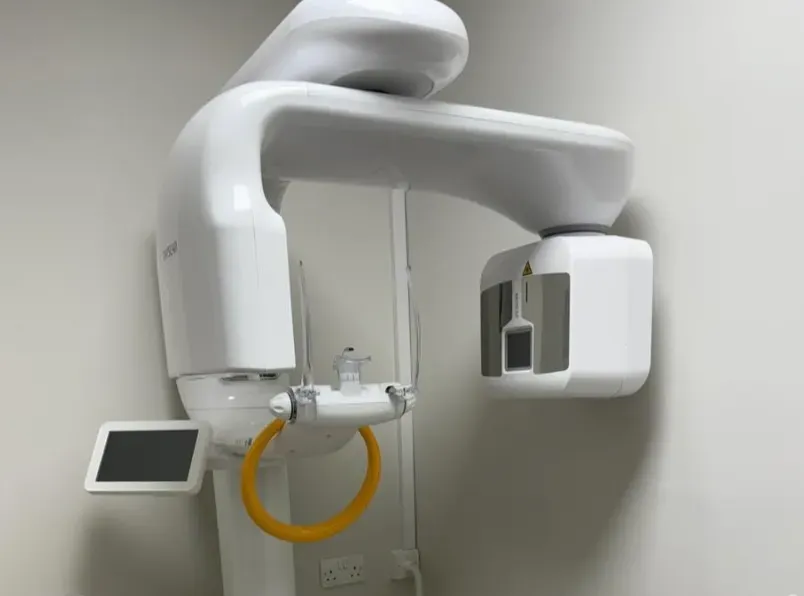
At City Dental Care on Earl Grey Street, Tollcross, a short walk from Haymarket Station, we carry out simple and surgical wisdom tooth extractions under local anaesthetic. We assess the tooth with an X-ray taken here, usually an OPG, and a CBCT 3D scan if that shows the roots close to the nerve, so you know whether it needs to come out, which kind of extraction it would be and the fee in writing before anything is booked. If it doesn't need to come out, we'll say so.
Our private fees
Extraction from £110Surgical extraction from £350
A simple extraction is for a tooth that has come through and can be removed in one piece; one under the gum or bone needs a surgical extraction. The X-ray tells us which applies before anything is booked. Simple and surgical extractions on the NHS for registered patients, free if you're under 26. 0% finance available on private treatment from £250.
Wisdom Tooth Pain and Swelling
Pain and swelling around a wisdom tooth can come from pericoronitis: an infection of the gum over a tooth that has only partly come through. It can cause severe pain, swelling and a stiff jaw. A first bout, unless it's severe, isn't usually a reason to take the tooth out; if it keeps coming back, removal is worth considering.
In pain now? Call us and we'll do our best to see you the same day. Our emergency dentist page explains private and NHS emergency appointments.
When a Wisdom Tooth Should Come Out
Guidance from NICE says a healthy wisdom tooth that isn't causing problems shouldn't be removed just in case, even if it's impacted. We recommend removal when the tooth has a problem, such as:
- Gum infection around it (pericoronitis) that keeps coming back
- Decay in the wisdom tooth that can't be repaired, or decay it has caused in the tooth in front
- An abscess or spreading infection around the tooth
- A cyst, or damage to the root of the neighbouring tooth, seen on an X-ray
If yours is healthy, we'll say it can stay and keep an eye on it at your check-ups. The evidence on removing wisdom teeth that cause no symptoms is weak, so it's a decision you make with your dentist. Our guide explains when wisdom teeth need removing in more detail.
What Happens When a Wisdom Tooth Is Removed
Assessment and X-ray:
The dentist examines the tooth and takes an X-ray, usually an OPG (panoramic X-ray), to see the position of the tooth and its roots. If it shows a lower wisdom tooth close to the nerve, a CBCT 3D scan, also taken here, shows how close, so the risk can be talked through before you decide.
Simple or surgical:
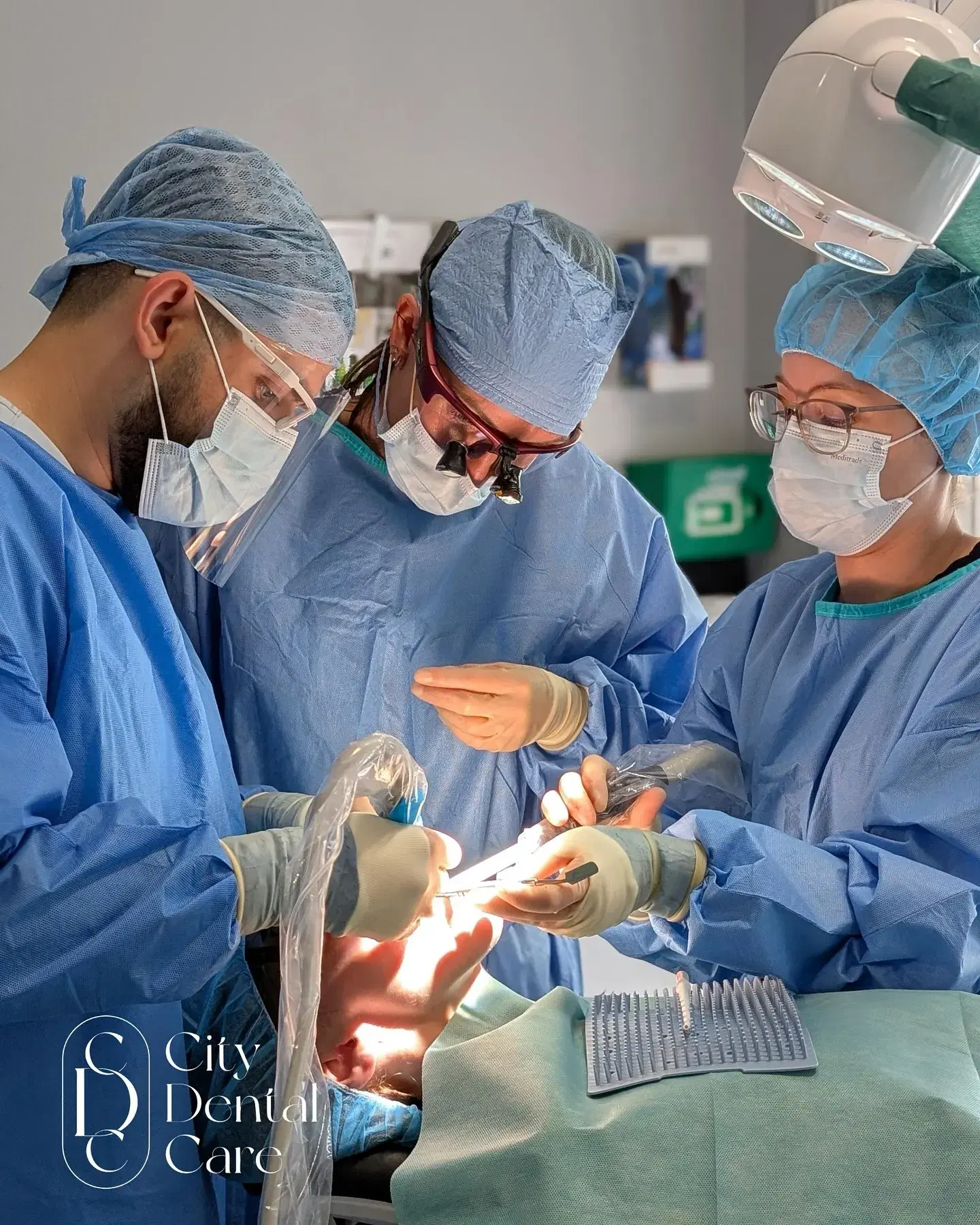
A tooth that has come through can often be removed in one piece. One that is under the gum or bone needs a surgical extraction: a small cut in the gum, sometimes removing a little bone or dividing the tooth into pieces, then stitches that dissolve on their own. You'll know which before you book.
The appointment:
Local anaesthetic, checked before we begin. You'll feel pressure and movement, not pain. How long it takes varies: some teeth come out in a few minutes, while one that has to be removed in pieces takes longer.
Aftercare:
Written instructions, what to eat, how to keep the socket clean, and what's normal versus what to call us about. A review if needed.
Wisdom Tooth Removal on the NHS or Privately
Privately, our extraction fees are from £110 for a simple extraction and from £350 for a surgical one; all our fees are on our price list. The X-ray shows which applies, and the fee is confirmed in writing before anything is booked. 0% finance is available on private treatment from £250 up to £5,000.
On the NHS, simple and surgical wisdom tooth extractions are done here for patients registered with the practice, and we're accepting new NHS patients. More complex wisdom tooth removal is also done here, privately. The NHS charge is £31.80 for a simple extraction and £60.76 for a surgical one (on the NHS Scotland fee scale in force from 1 November 2025), capped at £384 for a single course of treatment, and under-26s, pregnant women and new mothers, and people on certain benefits pay nothing.
A CBCT scan isn't on the NHS fee scale for dental practices, so if you need one it is charged privately: £149 for our own patients, including the planning that follows. Your dentist tells you before any treatment whether it's NHS or private, and what it costs.
Recovery After Wisdom Tooth Removal
Swelling and soreness are usually at their worst for the first two or three days and can take up to two weeks to settle, sometimes with a stiff jaw and some bruising. Paracetamol or ibuprofen is usually suitable for the pain, unless a medical condition rules them out. It's worth warning work that you may need a few days off, and if you can, don't book it within two weeks of a holiday or an important event.
Dry socket is when the blood clot in the socket doesn't form or is lost, causing a dull, throbbing ache. It can be very painful, but it can be treated: the dentist cleans the socket and places a dressing. Smoking and skipping the aftercare advice make it more likely.
Call us if the pain gets worse instead of better, or if you have a high temperature, discharge from the socket, or swelling that won't settle, which can be signs of infection. Our tooth extraction aftercare advice covers the first 24 hours step by step.
Wisdom Tooth Removal Risks
Every extraction carries some risk, and your dentist explains the risks for your tooth before you decide. The decision is always yours.
Nerves: two nerves run close to the roots of the lower wisdom teeth. One gives feeling to the lower lip, chin and teeth; the other to the tongue, and it helps with taste. Removing a lower wisdom tooth can injure one, causing tingling or numbness, or more rarely altered taste. It is very unusual for this to last more than a few weeks, but in a very small number of people it is permanent. Where the X-ray shows the roots close to the nerve, a CBCT scan shows how close, which helps the dentist judge the risk with you; it doesn't remove it.
Sinus: removing an upper wisdom tooth can occasionally open a small connection into the sinus. If that happens, it is closed with stitches.
Dry socket and infection: see recovery above for what to look out for and when to call us.
Why Choose City Dental Care for Wisdom Tooth Removal?
Imaging in-house:
OPG and a Rayscan Alpha 3D CBCT on site - assessed and planned the same visit, no separate trip for a scan.
Surgical dentistry by referral too:
Other practices refer patients to us for surgical extractions, and for OPG or CBCT imaging only, through our referral page; the same team treats our own patients. Referred patients go back to their own dentist for routine care afterwards.
Same-day when it hurts:
Emergency appointments to get you out of pain first, with evenings until 8pm Monday to Thursday (we close at 5pm on Friday).
The price in writing:
From £110 (simple) or £350 (surgical), published here and on our price list, confirmed after the X-ray.
Nervous? Say so:
You can ask for a numbing gel on the gum before the injection, you're welcome to bring someone into the room with you, and you can call in to see the practice before booking.